


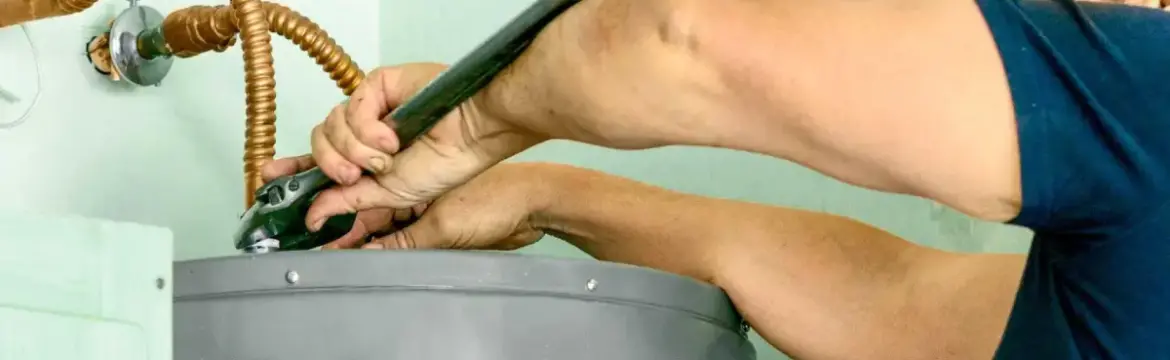
Your hot water cylinder does a lot of heavy lifting without much recognition. Most homeowners only think about it when something goes wrong, you get cold showers mid-winter, a puddle forms near the cupboard, or a power bill that suddenly doesn’t make sense.
The good news is that most of these problems give you warning signs before they become emergencies. Understanding the process of replacing a hot water cylinder early means you get to make a calm, informed decision rather than a rushed one. In most cases, acting sooner is far more cost-effective than waiting until the unit fails completely.
Most cylinders have a working life of 10 to 15 years. As they age, efficiency declines and small problems start to pile up. Knowing the warning signs helps you plan ahead rather than getting caught off guard.
Not getting enough hot water is often the first thing people notice. If your storage tank struggles to keep up with daily demand, or your household has grown since the unit was installed, the existing cylinder may simply no longer suit your needs.
A leaking hot water cylinder is a more urgent sign. Pooling water, rust stains around the base, or unexplained damp patches nearby suggest internal corrosion is underway. These situations rarely respond to quick fixes and typically call for a full replacement before more serious damage occurs.
Strange noises, such as banging or rumbling, from the unit usually indicate sediment buildup around the heating elements. Over time, this reduces performance and puts extra strain on the system. Flow issues, unpredictable water temperature, or water that never quite reaches your desired temperature are all further signs that the system is working against itself.
The right replacement unit depends on your home’s existing setup, your budget, and how much you want to reduce running costs going forward. There are several options well-suited to NZ homes.
Electric hot water cylinder installation is the most common starting point. These systems are straightforward to install and work reliably in most homes, though ongoing electricity costs tend to be higher than those of newer alternatives.
A heat pump system draws warmth from the surrounding air to heat water rather than generating heat directly. This makes it one of the most energy-efficient hot water systems available, with meaningful cost savings on your power bills over time. The upfront investment is higher, but the long-term return is hard to argue with.
Homes already fitted with solar panels can take this further. A solar-compatible hot water system pairs well with a heat pump or electric backup, helping maintain a consistent water temperature year-round while reducing grid dependence.
For homeowners in older properties, a mains pressure upgrade is worth considering at the same time. Low-pressure hot water systems are common in homes built several decades ago, and upgrading delivers noticeably better water pressure across every outlet in the house.
Understanding what a proper hot water cylinder installation involves helps set realistic expectations and avoid surprises on the day. The process is methodical when handled by a licensed professional.
The plumber starts by assessing your current setup, including storage tank capacity, available space, existing water pressure, and whether a mains pressure upgrade would benefit your household. From there, they’ll recommend a unit that genuinely suits your situation.
The existing cylinder is safely drained and disconnected, all compliance requirements are met, and the new unit is installed and tested before the job is signed off. DIY replacement is not a legal option in New Zealand for this type of work; a qualified tradesperson must carry it out to meet building and plumbing standards.
Costs vary depending on the unit type, the installation complexity, and whether upgrades are needed. The table below gives a general guide.
| Factor | Estimated Cost (NZD) |
| Standard electric hot water cylinder installation | $1,200 – $2,000 |
| Heat pump hot water system | $3,000 – $5,000 |
| Mains pressure upgrade | $500 – $1,500 additional |
| Solar-compatible hot water systems | $3,500 – $6,000+ |
| Labour (per job) | $300 – $800 |
These figures can shift depending on your location, site access, and whether additional pipework is required. Always get a fixed quote upfront from a licensed professional before any work begins.
With experience in all types of hot water cylinder replacement, our team approaches every job the same way: with an honest assessment, clear pricing, and quality work from start to finish.
Whether you need a straight swap or a full mains pressure upgrade, we’ll walk you through your options without pushing you towards something you don’t need. Every installation is handled with safety hazards in mind and completed to NZ compliance standards. As your reliable local plumber in Auckland, we’re here for the full picture, not just the quick fix.
If your issue turns out to be repairable, our team also handles hot water cylinder leak repair in Auckland and will always give you a straight answer on whether a full replacement is actually necessary.
These are the questions we hear most often from homeowners who are replacing a hot water system for the first time.
No. DIY replacement of a hot water cylinder is not permitted under NZ law. The work must be completed by a licensed professional to comply with building and plumbing regulations.
Sometimes. If the problem is a faulty thermostat or worn heating elements, a repair can be a cost-effective solution worth pursuing. But if the unit is ageing and has a leaking hot water cylinder due to internal corrosion, a full replacement is almost always the safer and more practical long-term solution.