


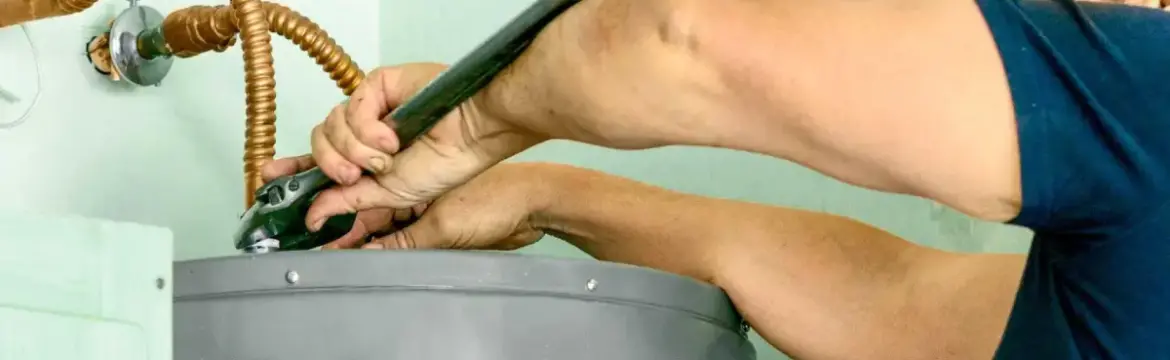
Hot water cylinder problems rarely appear without early warning. Catching something small almost always means a simpler fix.
Most people never think about their cylinder until it stops working. A hot water cylinder not working properly has a way of showing up at the worst possible time. Knowing where to start saves a lot of wasted stress.
Look out for these signs when examining your hot water cylinder:
There’s usually a specific fault behind a breakdown. Electric hot water cylinder troubleshooting tends to point to a short list of common causes in NZ homes.
A tripped circuit breaker or a failure in the electrical components can cut the power supply without visible signs. Inspect the switchboard first.
A faulty thermostat prevents the cylinder from reaching the correct temperature. Lukewarm water rather than total failure is the usual giveaway.
The heating element wears down over time and eventually fails. It’s one of the more common reasons Auckland households experience no hot water, particularly in older units.
Mineral deposits accumulate at the base of the tank over years of use, slowing heating and often causing the rumbling sounds people notice before a more serious fault develops.
A worn pressure relief valve or damage along a copper pipe can create pressure imbalances. A slow drip from the valve is a hot water cylinder issue worth taking seriously.
| Symptom | Potential Cause | Recommended Action |
| Completely cold water | Tripped circuit breaker or blown heating element | Check the switchboard; call for repair |
| Lukewarm water | Faulty thermostat or tempering valve fault | Professional adjustment or replacement |
| Low water pressure | Blocked filter or pressure-reducing valve | Inspect inlet valves |
| Water leaking from the top | Rusted tank or loose connection | Immediate professional inspection |
Two different faults can produce identical symptoms, so treat the table as a starting point rather than a firm answer.
These checks are safe, take under ten minutes, and occasionally resolve things without any outside help.
Look for a tripped circuit breaker on the hot water circuit. Resetting it costs nothing and is sometimes all that’s needed.
The thermostat should be set to around 60°C for most NZ homes. A low setting consistently results in poor water temperature, with no other apparent fault.
Inspect the base and nearby pipe connections. Any sign of a leaking hot water cylinder is worth noting before you call.
Rumbling or popping usually points to sediment at the base of the tank.
Some electric hot water cylinder models have a reset button near the thermostat housing. A reset may temporarily restore function, but the underlying cause still needs to be checked.
Certain hot water cylinder repairs aren’t safe without a licence. Electrical components, pressurised lines, and tempering valve work all fall into that category.
Call a plumber in Auckland if:
Getting onto professional hot water cylinder repair early is almost always more cost-effective than waiting.
Most electric hot water cylinder units have a reset button near the thermostat panel. Press it and allow a few minutes for the system to respond. Repeated resets without a proper fix usually signal an underlying fault.
Sediment buildup, a failed heating element, or a fault within the electrical components are the usual causes of an electric hot water cylinder not heating. A faulty thermostat can also prevent the unit from calling for heat entirely.
Yes, it can cut heating entirely. When it fails, the cylinder doesn't receive the signal to heat, leaving only cold water from every hot tap. Thermostat replacement is a standard repair for any licensed plumber.