


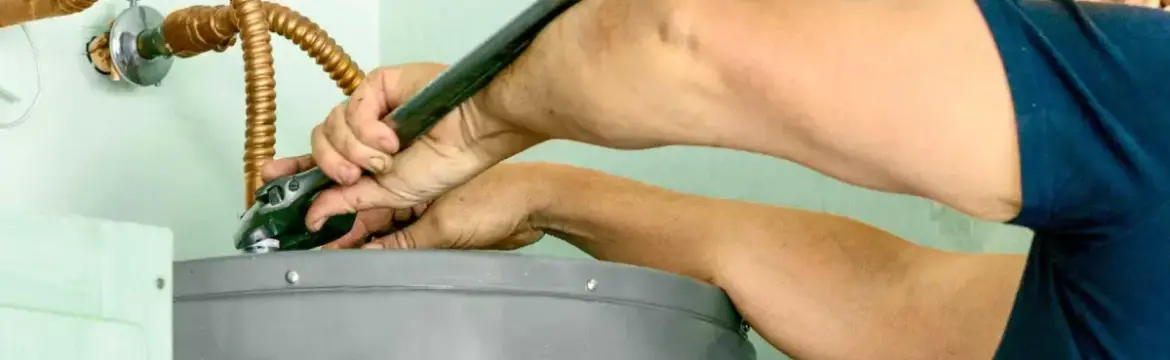
A cold shower on a winter morning is usually the first sign something’s wrong with the system. By the time water runs cold, the problem has often been building for a while.
Knowing when a hot water cylinder genuinely needs replacing, rather than a quick fix, saves both money and the hassle of a repeat callout a few months down the line.
Most cylinders last somewhere between 10 and 15 years, though that range depends heavily on water quality, usage patterns, and how consistently the system has been maintained over its full working life.
Cylinder lifespan in NZ homes also varies by region, since harder water and mineral buildup can shorten a tank’s working life compared to areas with gentler, softer water.
Hot water cylinder repair services in Auckland typically start with an inspection to determine where the cylinder stands in its lifespan before recommending a fix or a full swap for anyone weighing up repair against replacement.
A failing cylinder rarely stays quiet, usually showing up first with one of these two clear warning signs.
Rust-coloured water from the hot tap usually indicates internal corrosion, often caused by a worn sacrificial anode that no longer protects the tank from the inside out.
Pooling water around the base, rumbling or popping sounds during heating, and a noticeable drop in water pressure are common hot water system signs of failure worth acting on quickly, before the problem worsens.
Mains pressure systems deliver stronger, more consistent flow across multiple bathrooms, while low-pressure cylinders rely on gravity and typically suit older homes with simpler plumbing layouts and lower overall demand.
Replacing an ageing low-pressure cylinder with a mains-pressure system is a common upgrade path, though it usually requires additional plumbing work to safely handle higher pressure throughout the home.
A corroded or failing cylinder can develop pressure issues that stress the tank beyond its rated limits, increasing the risk of a sudden, more serious failure with little warning.
Ageing safety and tempering valves also wear out over time, and a valve that stops functioning correctly removes an important safeguard against scalding or excess pressure building up inside the tank unnoticed.
A single faulty part, like a valve or element, is often worth repairing on a cylinder that’s otherwise in good condition and within its expected lifespan overall. A quick chat with a plumber usually settles which category a given fault falls into.
Once corrosion has reached the tank itself, or the cylinder is well past its expected life, hot water cylinder replacement usually makes more financial sense than repeated repairs that only delay the inevitable outcome.
Household size and hot water demand should guide tank capacity, since an undersized cylinder struggles during peak use while an oversized one wastes energy heating water that goes unused each and every day.
Also factor in energy efficiency, since a heat pump or well-insulated cylinder can meaningfully reduce running costs compared to an older, less efficient model over its working life.
New Zealand’s building code sets requirements for safety valves, tempering valves, and pressure relief systems that any replacement cylinder must meet before council fully signs off the installation.
Regular plumbing maintenance, including anode checks and pressure testing, helps keep an existing cylinder compliant and reduces the chance of unexpected failure between scheduled services.
Occasionally, yes. A leak caused by a loose fitting or a single faulty valve can often be repaired directly without much disruption. A leak coming from the tank itself, caused by internal corrosion, usually means replacement is the safer, more cost-effective long-term option.
Rust-coloured water typically indicates internal corrosion, often linked to a worn or depleted sacrificial anode inside the tank. Once this protective component fails, the tank becomes vulnerable to rust, which eventually enters the household water supply.
Not always. Older cylinders installed before current safety and pressure-relief standards may lack compliant tempering valves or pressure-relief systems entirely. A qualified plumber can assess whether an existing cylinder meets current code or needs upgrading during replacement.
It depends on the household's needs. Main pressure systems offer stronger flow across multiple bathrooms and suit modern fittings better, while low-pressure systems remain a simpler, often cheaper option for smaller homes with lighter hot water demand.