


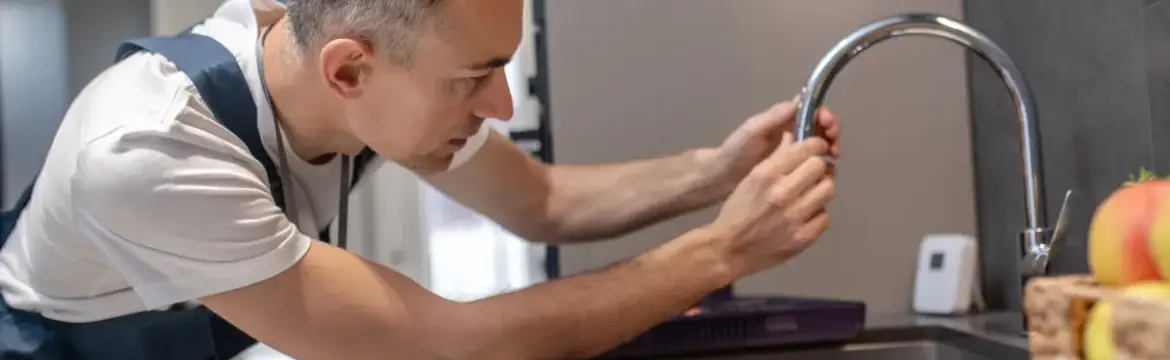
A slow-draining sink or a shower that pools around your feet tends to get worse the longer it goes on. Most minor blockages can be cleared at home with basic tools and a bit of patience, without the need for harsh chemicals or an emergency callout.
Blocked drains DIY methods work best when applied early, before a partial clog becomes a full obstruction. For blockages that persist after multiple attempts or that affect several fixtures at once, professional Drain Unblocking Services in Auckland have the specialist equipment to clear what household methods cannot reach.
Understanding what caused the blockage helps determine which clearing method will be most effective.
Clearing grease-clogged pipes is the most common kitchen drain challenge. Cooking fats and oils cool and solidify on pipe walls as they travel away from the sink, gradually accumulating soap scum and food debris until flow is restricted or stops. Coffee grounds, rice, and starchy foods bond with grease layers and accelerate the process.
Bathroom drain blockages are almost always caused by hair. Individual strands bind inside the drain trap and catch soap residue, forming a progressively denser plug. In hard-water areas, mineral scale deposits further reduce the internal pipe diameter. Wet wipes and other flushable hygiene products should never be disposed of down drains, as they do not break down and can cause serious downstream blockages.
Work through these in order, starting with the least invasive method first:
Natural baking soda drain clearing is safe for all pipe materials and effective against grease and soap scum. Pour half a cup of baking soda directly into the drain, followed immediately by half a cup of white vinegar. Cover the drain with a plug and allow one hour of dwell time. The reaction breaks fatty acids and greases down into soap and glycerine, allowing the loosened material to flush through. Follow with hot water.
For grease-specific blockages, a quarter cup of dish detergent followed by a pot of hot water achieves a similar result. Detergent acts as a lubricant, breaking the bond between solidified grease and the pipe wall.
Important note for unblocking household sinks: boiling water is suitable for metal pipes only. It can soften or damage PVC pipes and should not be used on plastic plumbing.
Caustic drain cleaners generate heat through chemical reaction and rely on highly corrosive alkaline compounds. Repeated use of PVC pipes degrades the material and weakens joint seals, increasing the risk of leaks. These products also present a serious handling risk and are harmful to the wastewater environment. The baking soda and vinegar method achieves comparable results for minor to moderate grease blockages without any of these risks.
Some blockages are beyond the reach of household methods. Signs that a licensed plumber is needed include:
Hydro-jetting uses high-pressure water to clear the full internal pipe diameter and is effective against root intrusion and heavy grease accumulation that a snake cannot penetrate.
Ensure the plunger cup fully covers the drain opening with no gaps, and fill the basin with enough water to submerge the cup. Block any overflow opening or second basin with a wet cloth. A proper seal is essential for the plunger to generate the suction needed to shift the blockage.
Caustic drain cleaners generate heat and contain highly corrosive compounds that degrade PVC pipe material and weaken joint seals over repeated use. The baking soda and vinegar method is a safer alternative for plastic plumbing systems.
Never pour cooking fat or oil down the sink. Allow fats to solidify in a container before disposing of them in the rubbish. Flush kitchen drains regularly with hot water and dish detergent, and use a sink strainer to catch food solids.
Multiple fixtures draining slowly or backing up at the same time, gurgling from drains or the toilet when other fixtures are used, sewage smells from floor drains, or water from one fixture appearing in another all indicate a main line problem beyond the reach of household clearing methods.